12 Best Gamified Language Apps (To Actually Become Fluent)
Last Updated:
The hardest part of learning a language isn't the grammar or vocabulary, but rather your consistency. It’s easy to start learning, but hard to keep going when the excitement fades.
That's why gamified language learning apps have become incredibly popular and effective. They're designed to feel like games, complete with levels, points, and challenges. By hacking your brain's dopamine reward system, they turn a chore into an addiction. (For a look into the psychology behind this, check out our deep dive on how to gamify language learning.)
However, most gamified apps have a ceiling. Eventually, matching words and translating repetitive sentences like "The owl is drinking milk" gets boring. But what if the game was watching your favorite TV shows? Today, modern tools allow you to earn achievements, track vocabulary and level up just by watching real native content on Netflix or YouTube.
But not all apps are created equal. Some are just games with a language coating, while others are serious study tools disguised as fun. To help you figure out which app is best for you, we've ranked the best gamified language learning apps, splitting them into three categories:
— Best for Structured Learning
— Best for Vocabulary and Drills
— Best for Immersion
Short on time? Here's a quick comparison of the top apps to help you decide, as well as our top picks.
Quick Comparison: Top Gamified Language Learning Apps
App | Best for | Gamification Style | Monthly Cost |
|---|---|---|---|
Duolingo | 🔥 Beginner Habits | Streaks & XP | Free (Ads) / €7,49 |
Babbel | 🎓 Curated Course | Guided Exercises | €13,02 |
Busuu | 🗣️ Native Practice | Levels & Challenges | Free (Ads) / €6,99 |
LingoDeer | 📚 Grammar | Lessons & Quizzes | €6,85 |
Memrise | 🧠 Vocabulary | Spaced Repetition | Free (Ads) / €5,84 |
Drops | 🎨 Visuals | Fast-paced Arcade Games | Free (Ads) / €5,08 |
Habitica | ⚔️ Self-Study | RPG Character Building | Free / €4,00 |
Anki | 📓 Long-Term Memory | Spaced Repetition | Free |
Sabi | 🎬 Video Immersion | Real-World Context and Exercises | Free Trial / €1,84 |
LingQ | 📖 Reading | Vocabulary Tracking | Free / €10,00 |
Clozemaster | 🧩 Sentence Practice | Fill in the Blank | Free / €8,07 |
Lingopie | 📺 Listening | Interactive Subtitles | €5,96 |
Quick Look: Our Top Picks
🏆 #1 Editor's Choice: Sabi (Best for Gamifying Netflix, YouTube & More)
The only app that makes you fluent while watching Netflix, YouTube, Disney+, Prime Video, and Rakuten Viki.
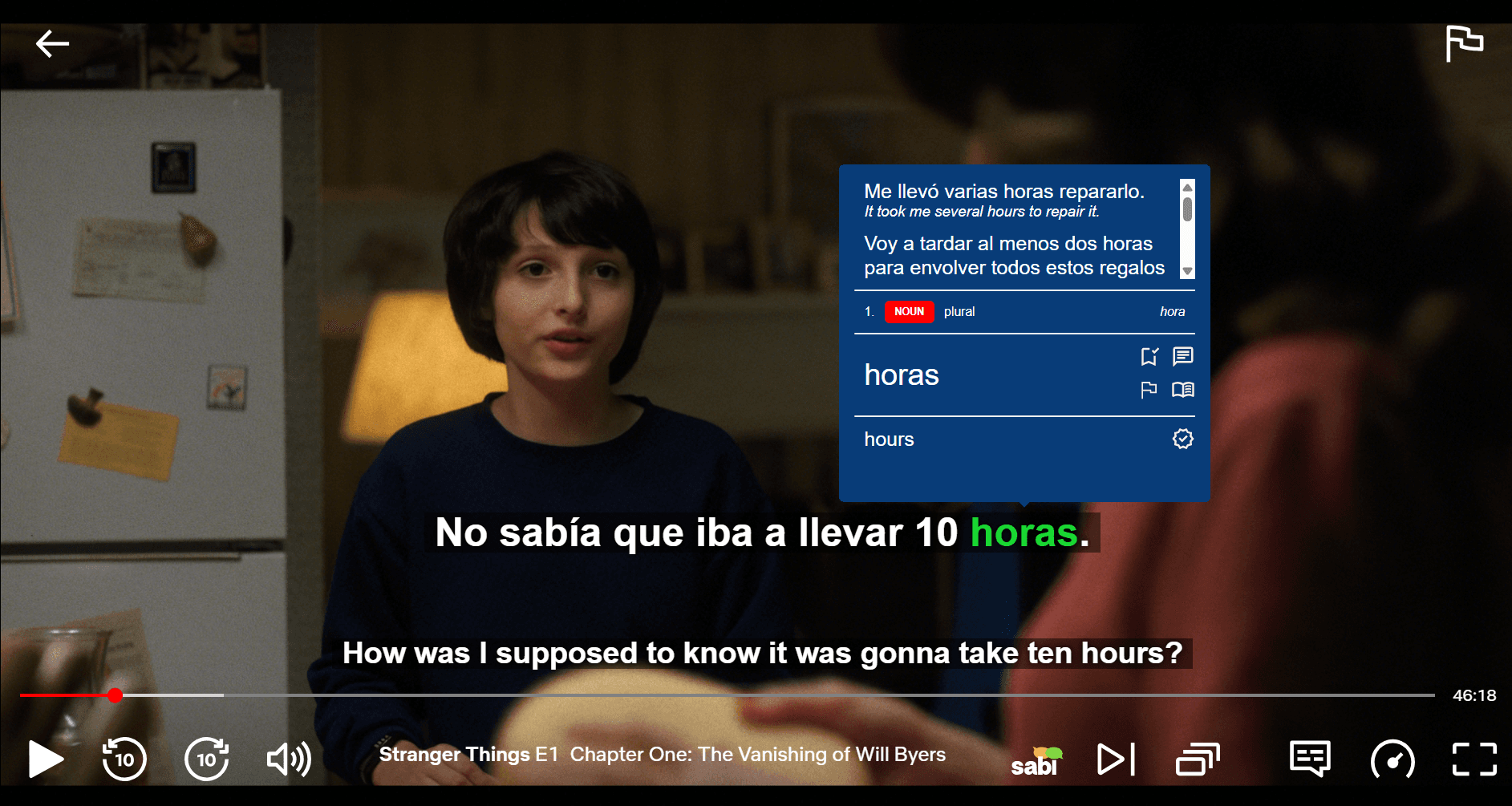
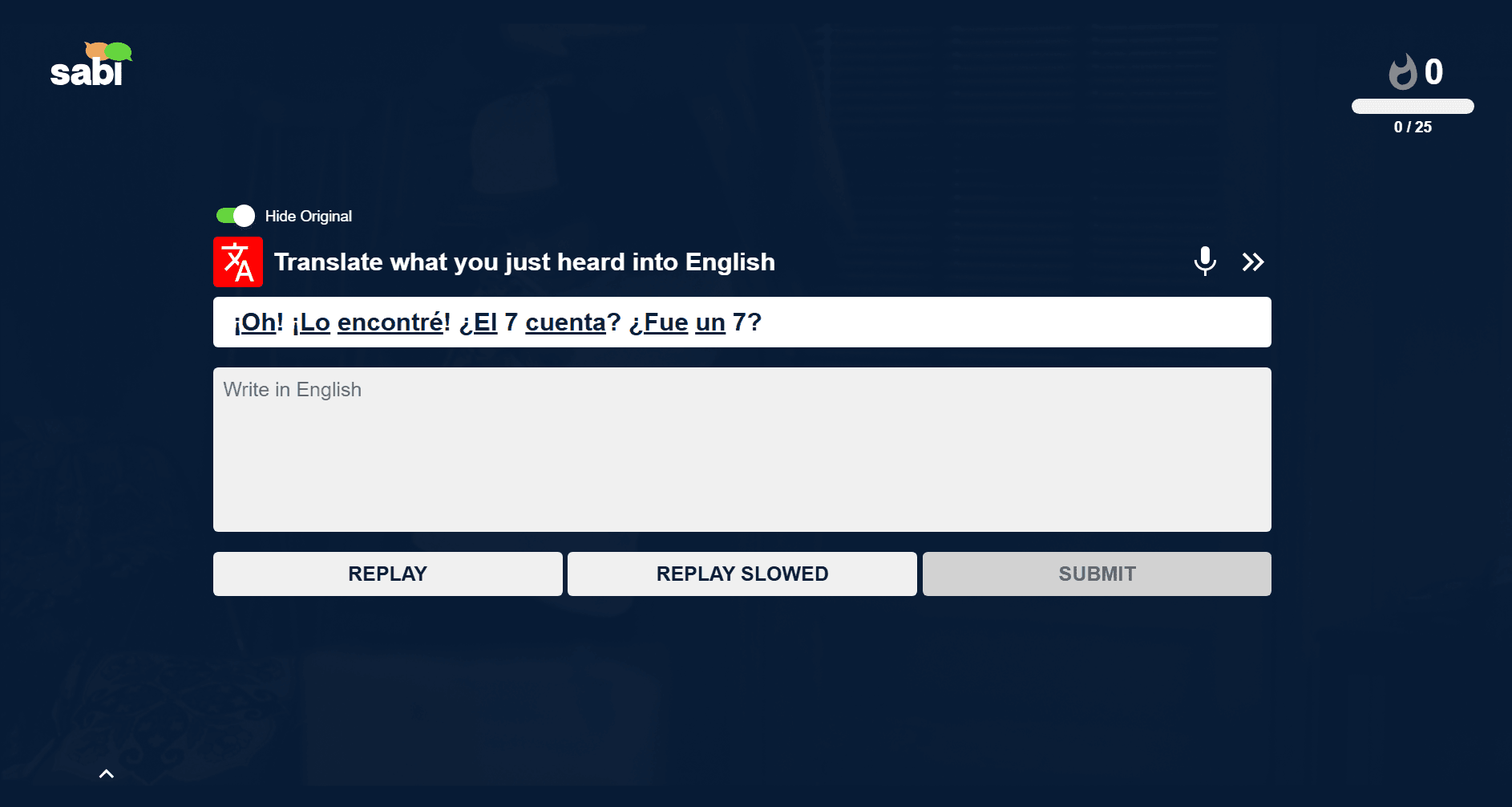
Sabi adds interactive subtitles and exercises to your favorite shows so you can learn and master the language as it's actually spoken.
The Best of the Rest
— 🔥 Best for Habits: Duolingo
Great for beginners who need to build a daily streak. It’s free and good for basic grammar, though the sentences can be random.
— 🧠 Best for Vocabulary: Memrise
Learn phrases and vocabulary with their wide selection of decks and short video clips.
— 📓 Best for Memory: Anki
The gold standard for flashcards, as it ensures you never forget the vocabulary you learn.
Category 1: Best for Structured Learning
1. Duolingo — ⭐ Top Pick
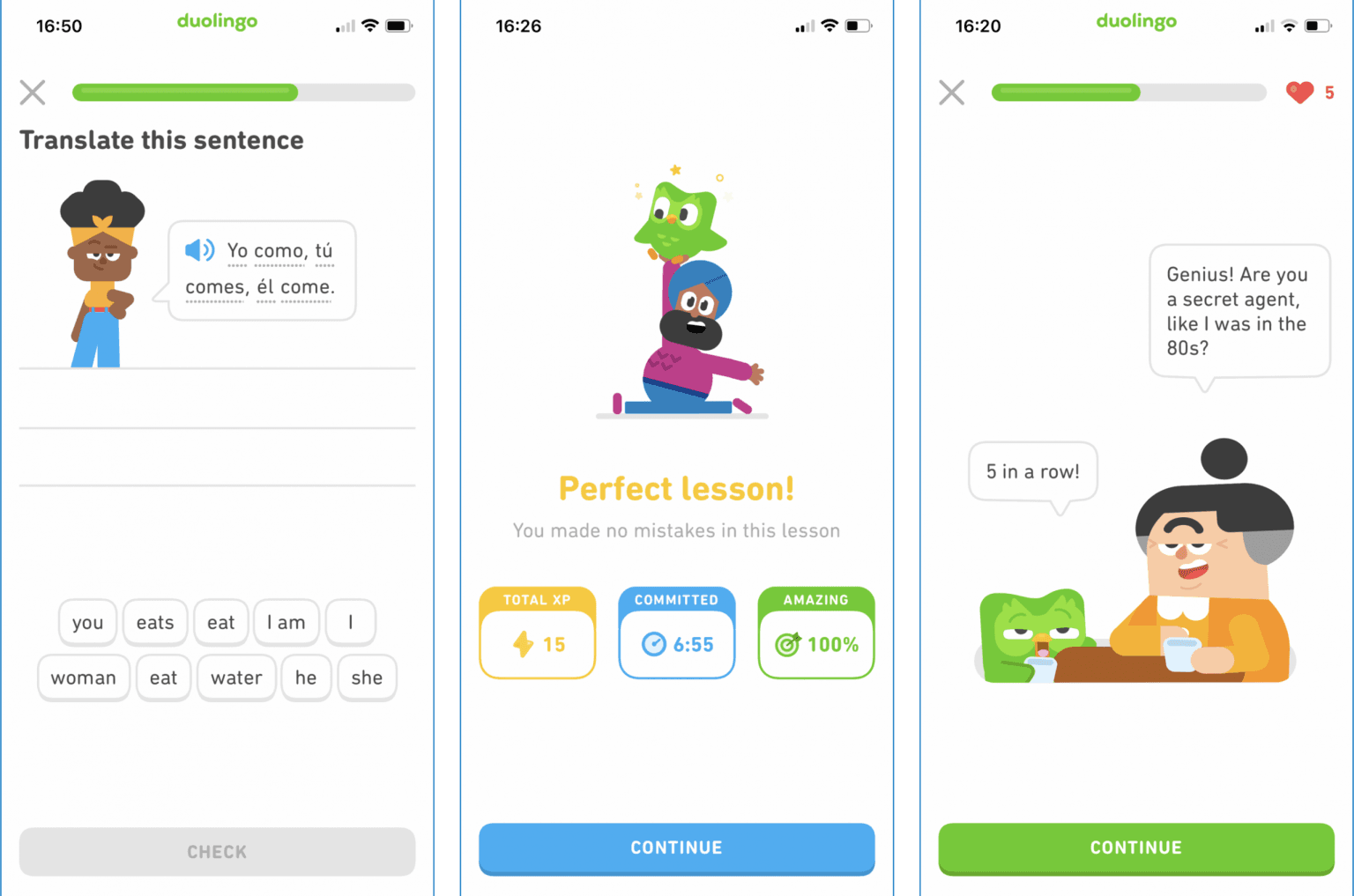
Duolingo remains a fantastic choice for gamified language learning. With its bite-sized lessons, friendly mascot, and XP points system, it's especially great for beginners.
✨ Highlights:
— Streaks, levels, and leaderboards
— Supports over 30 languages
— Quick lessons designed like mini-games
✅ The Good:
— Extremely accessible and free, great for beginners to start a language habit without cost
— Easy to stay motivated with streaks and XP
— Supports many languages and has a mobile app
❌ The Bad:
— Lack of in-depth grammar explanations
— Repetitive and shallow content
— Sentences can be nonsensical or unrelated to real life
👉 Tired of weird sentences? Use Sabi to learn from real, native conversations on Netflix
2. Babbel
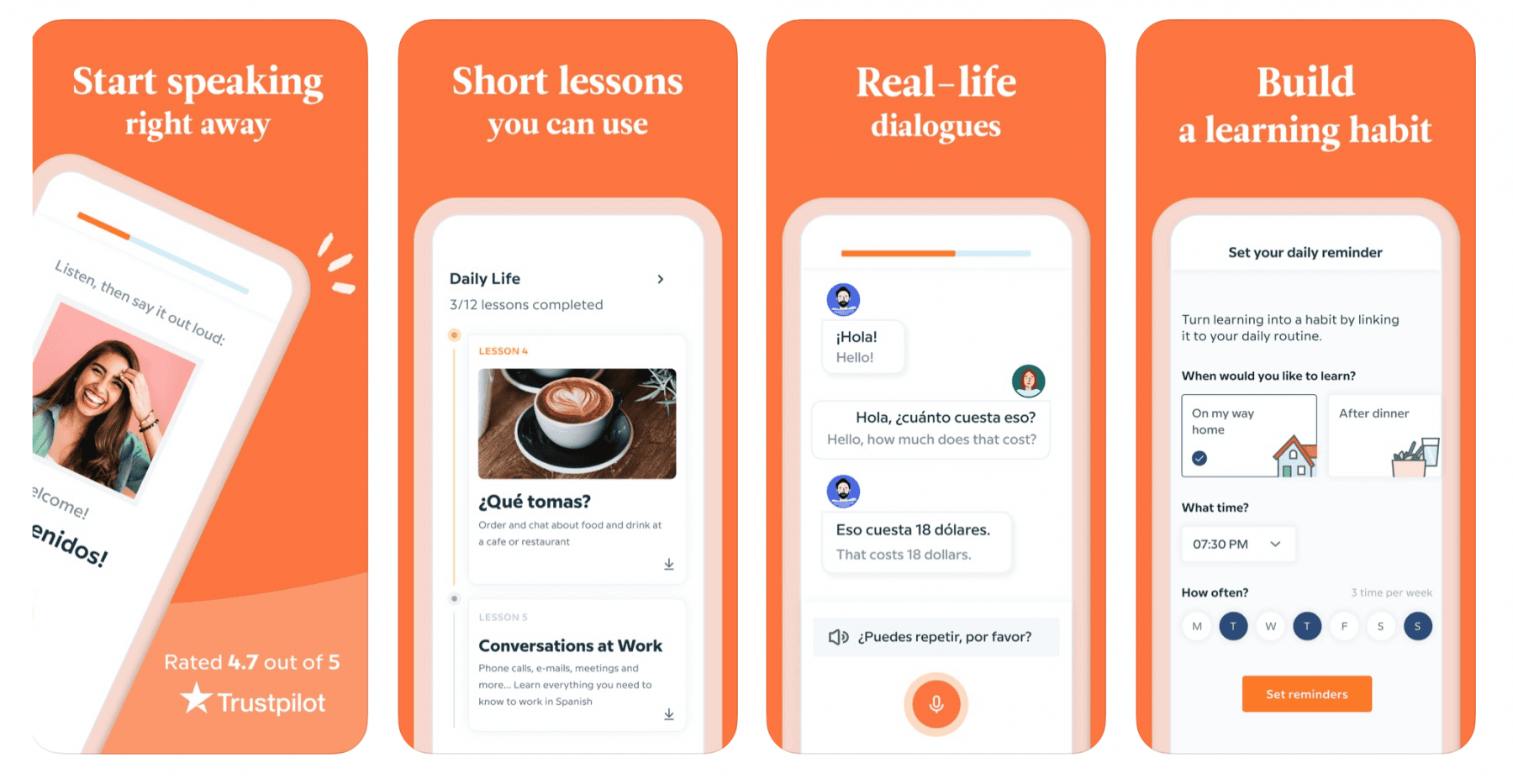
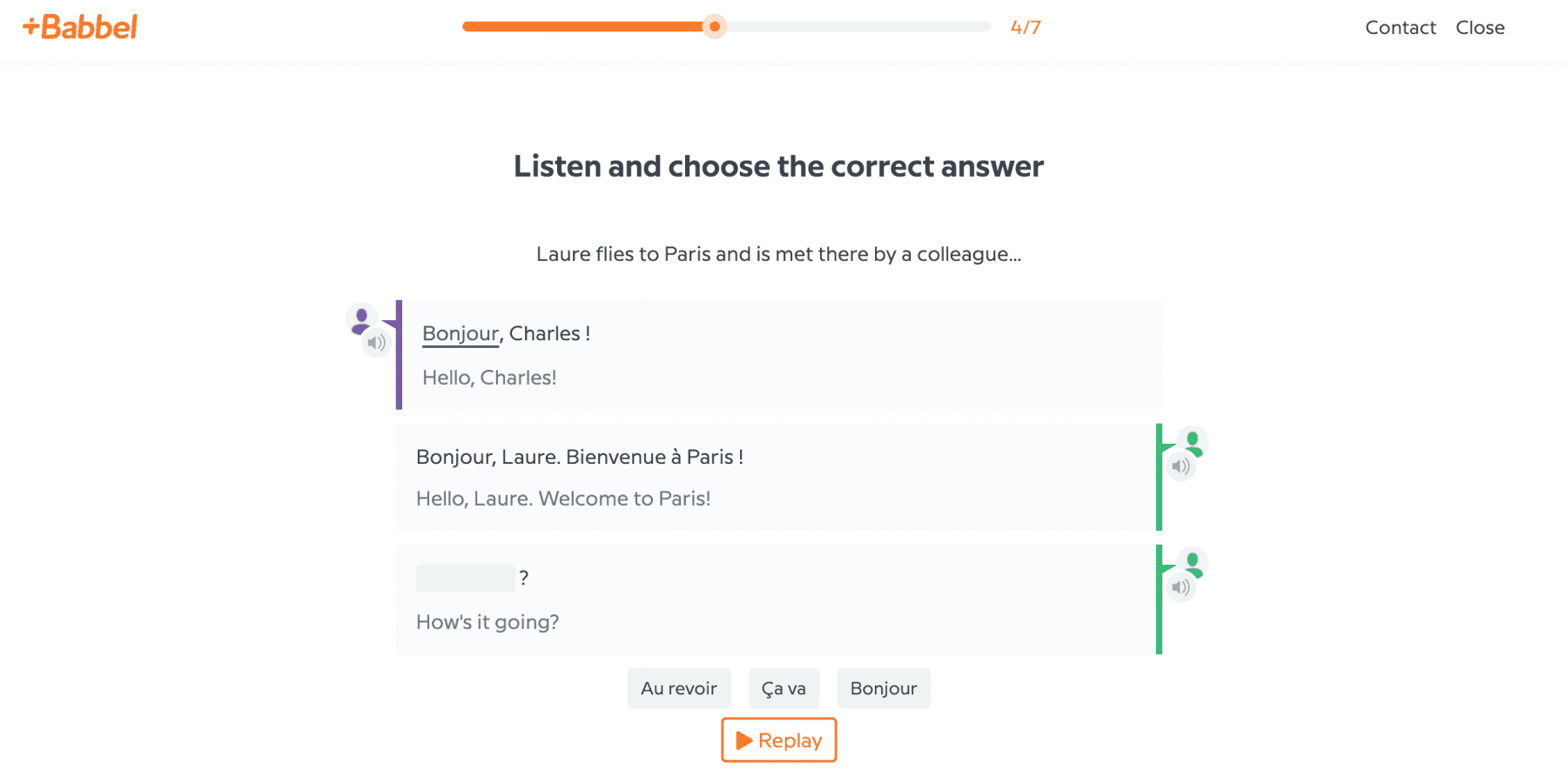
Babbel combines games with practical, real-life conversation skills. With a curriculum designed by language experts, it is an excellent choice for learners who want to start speaking confidently in everyday scenarios in a fun and engaging way.
✨ Highlights:
— Interactive dialogues based on real-world situations
— Lessons crafted by native speakers and linguists
— Speech recognition technology to refine your pronunciation
✅ The Good:
— Structured lessons with grammar explanations
— Focuses on real conversational dialogue and practical phrases
— Has a mobile app
❌ The Bad:
— Progression is more rigid and less personalized
— Can sometimes feel boring or textbook-like
— Little free content and high subscription price
3. Busuu
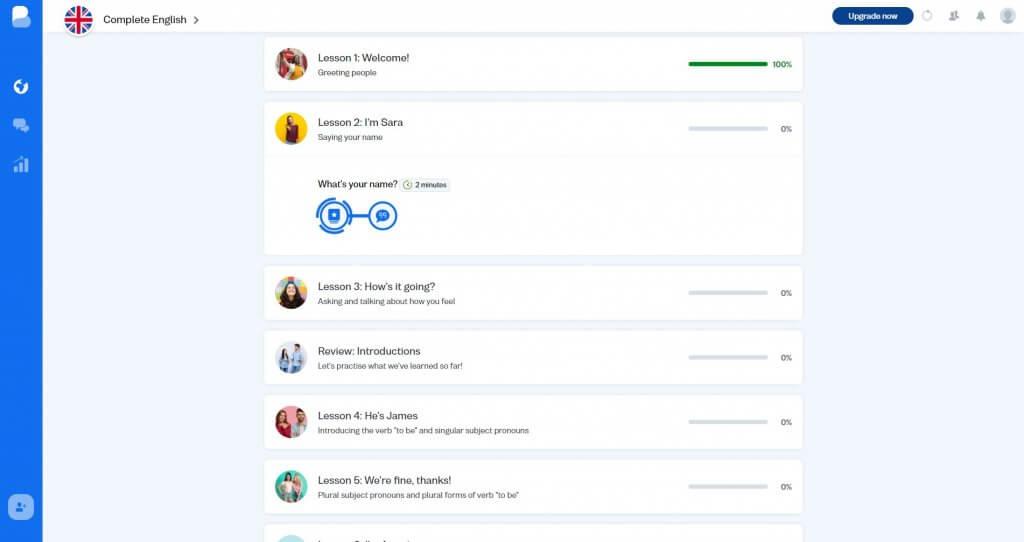
Busuu offers structured lessons that go beyond beginner phrases, with a strong focus on intermediate and advanced grammar. The platform also allows you to practice with native speakers for feedback.
✨ Highlights:
— Advanced grammar lessons and vocabulary sets
— Writing exercises corrected by native speakers
— Level tests and personalized study plans
✅ The Good:
— Offers structured lessons with native speaker corrections
— Combines grammar with real-world speaking/writing practice
— Has a mobile app and offline access
❌ The Bad:
— Feedback quality varies, as it depends on other users
— Lesson content can feel basic or inconsistent
4. LingoDeer
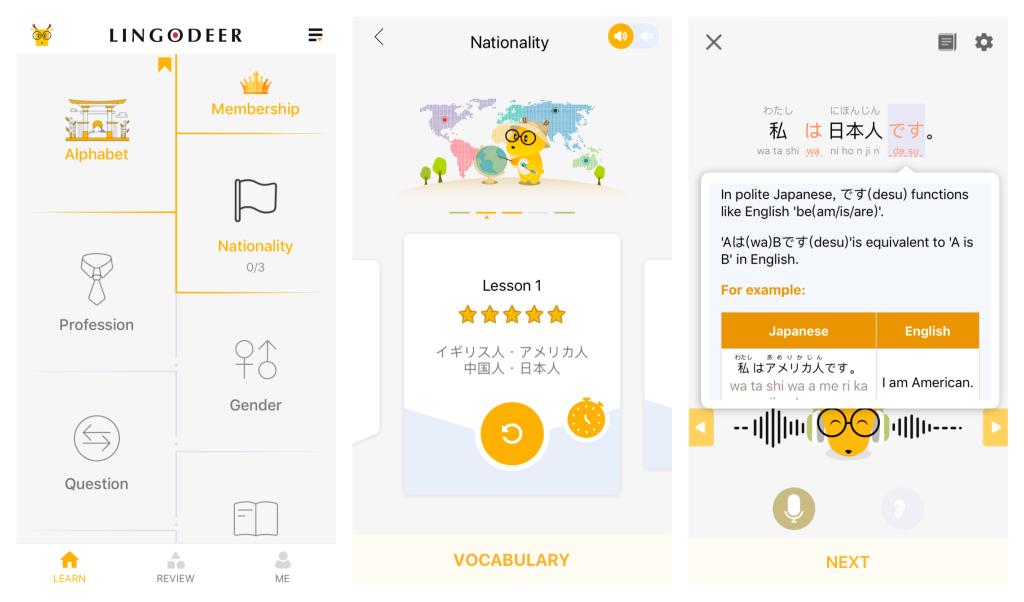
LingoDeer focuses on the language fundamentals like grammar, vocabulary, and sentence structure for a number of different Western and Asian languages. It's especially helpful with its clear grammar explanations and high-quality audio clips.
✨ Highlights:
— Designed to teach complete language foundations
— Strong grammar and sentence construction focus
— Native audio for listening practice
✅ The Good:
— Clear grammar explanations
— Native speaker audio in most courses
— Logically structured lessons that build progressively
❌ The Bad:
— Limited advanced content, as most courses stop around early intermediate levels
— Not much real-world media or conversational practice
👉 Ready for real-world media? Switch to Sabi to immerse yourself in actual TV shows
Category 2: Best for Vocabulary and Drills
1. Memrise — ⭐ Top Pick
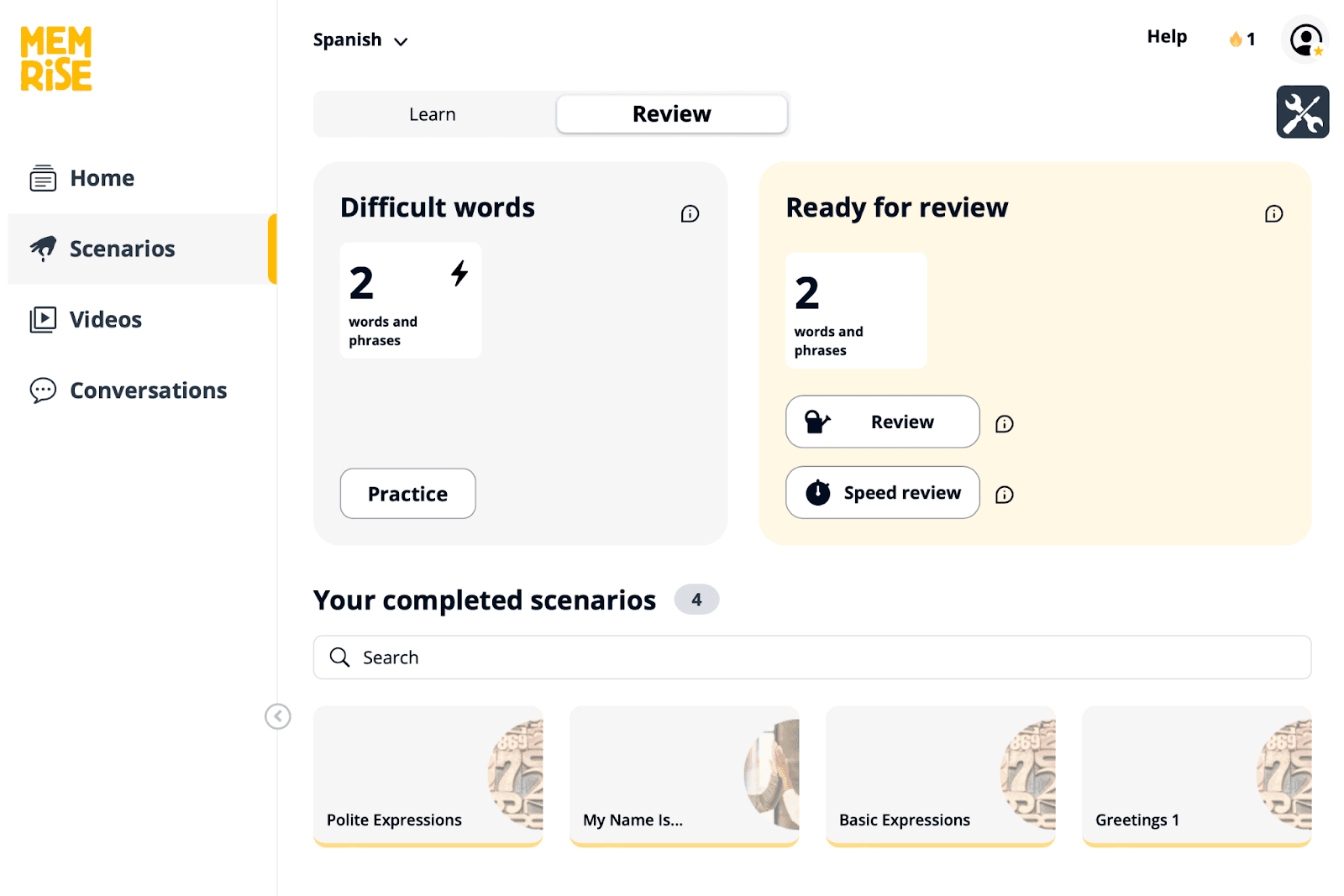
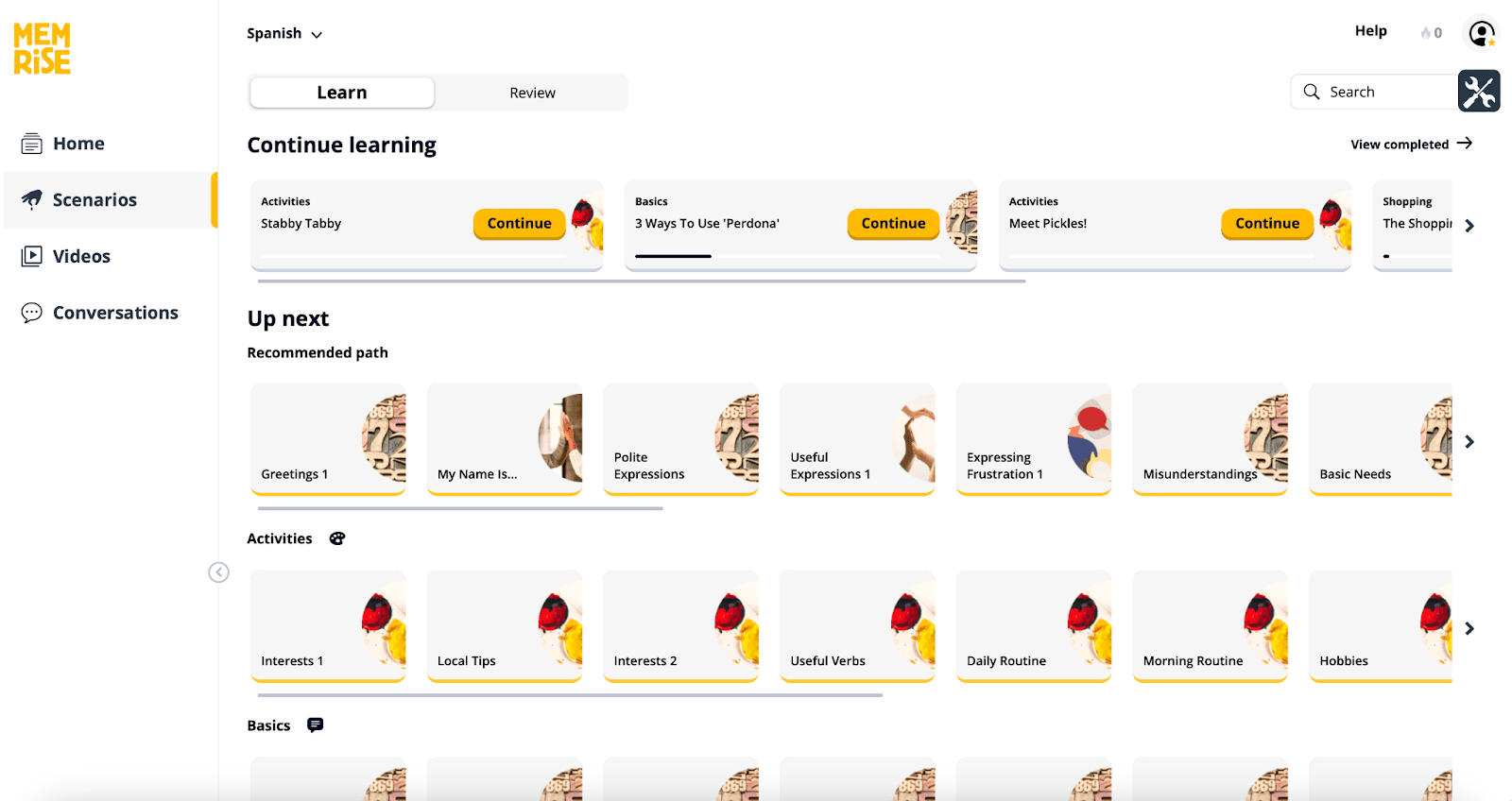
Memrise focuses on learning through authentic videos and vocabulary repetition. You earn points for completing lessons and get regular review sessions to reinforce memory.
✨ Highlights:
— Real-world video clips
— Gamified progression system with points and streaks
— SRS-based vocabulary review
✅ The Good:
— Uses native speaker videos and immersive clips, aiding listening comprehension
— Good for vocabulary building with spaced repetition
— Fun and has good visuals
❌ The Bad:
— Structure can feel fragmented rather than systematic
— Deck and lesson quality can vary
2. Drops
Drops is a vocabulary-focused app that uses timed mini-games and beautiful visuals to help you learn new words quickly. It's particularly effective for visual learners.
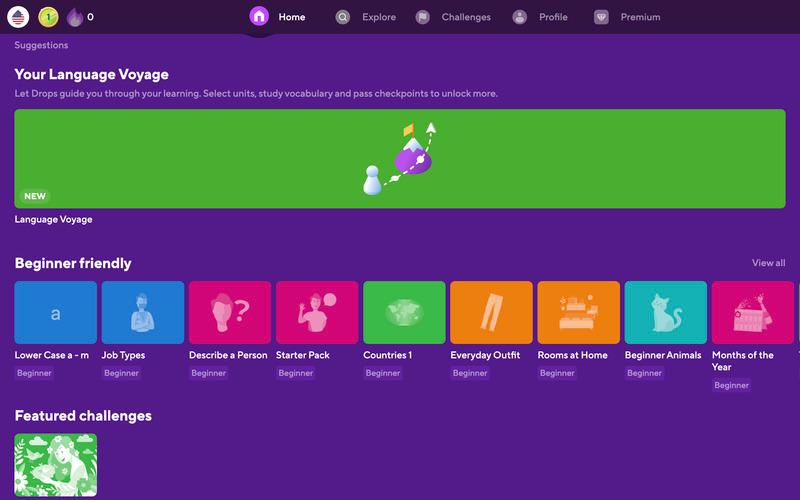
✨ Highlights:
— 5-minute daily games
— Illustrated word matching
— Dozens of supported languages
✅ The Good:
— Excellent for quick vocabulary building
— Clean and attractive UI
— Quick lessons easily fit into daily routine
❌ The Bad:
— No grammar instruction, as words are mostly taught in isolation
— Not ideal for beginners who need structure
— Can feel shallow beyond basic vocabulary
3. Habitica
Habitica takes a unique approach by turning your study routine into a Role-Playing Game (RPG). While it doesn't teach languages directly, it is a powerful tool for building the consistency needed for fluency by transforming tasks like "study flashcards" or "read for 15 minutes" into monsters to defeat and levels to gain.
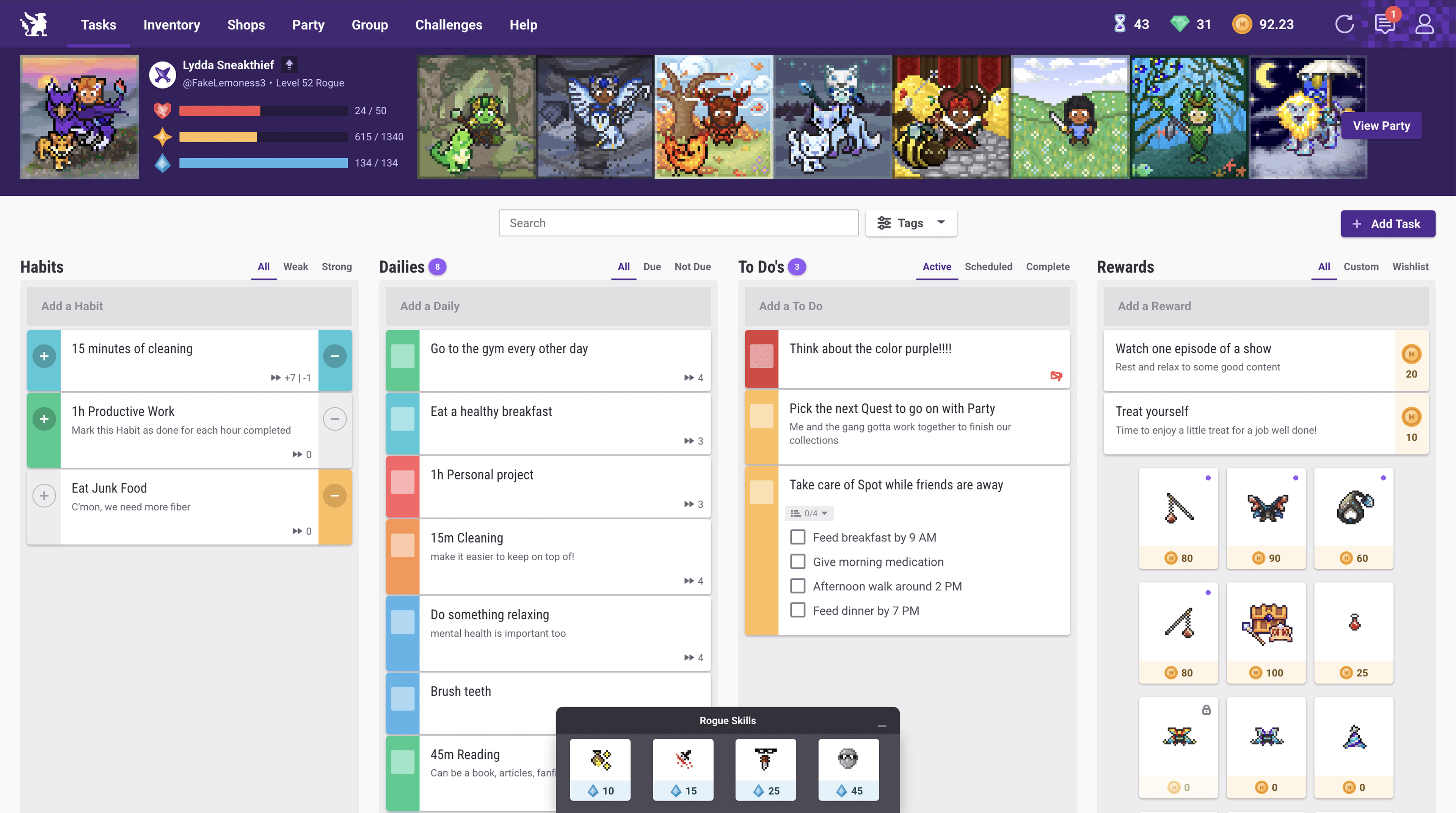
✨ Highlights:
— Gamify any study method or external resource
— Join "Guilds" and "Parties" to stay accountable with other learners
— Penalizes missed study sessions by lowering your character’s health
✅ The Good:
— Great for gamifying your study routine
— Rewards and penalties help build consistency
— Has a mobile app
❌ The Bad:
— Doesn’t explicitly teach language content, so you need to find your own tasks/resources
— May not be strong enough motivation for everyone
4. Anki — ⭐ Top Pick
Anki is a flashcard app based on spaced repetition (SRS), a method to optimize memory retention by scheduling reviews at increasing intervals. It’s not a traditional “course”, but many language learners use it as a core tool to memorize vocabulary, grammar points, and sentences.
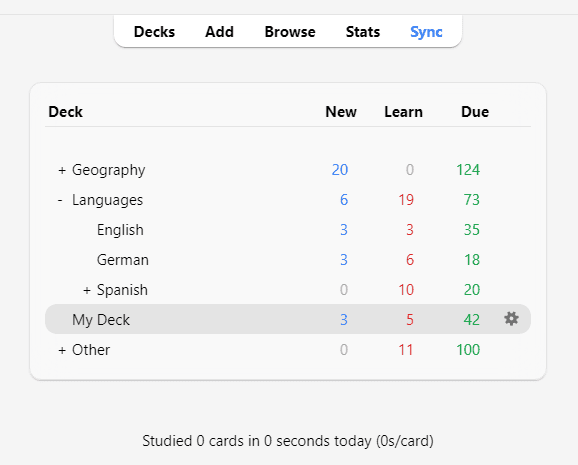
✨ Highlights:
— Spaced repetition algorithm improves long-term recall
— Highly customizable, with users creating or importing decks
— Huge existing community with pre-made language decks available
✅ The Good:
— Best-in-class spaced repetition
— Customizable flashcards with text, images, audio, and examples
— Works offline and syncs across devices
❌ The Bad:
— Steep learning curve, as beginners usually have trouble setting up and creating decks
— No structured course, as it doesn’t “teach” grammar or language by itself
— Outdated UI
Category 3: Best for Immersion
1. Sabi — ⭐ Top Pick
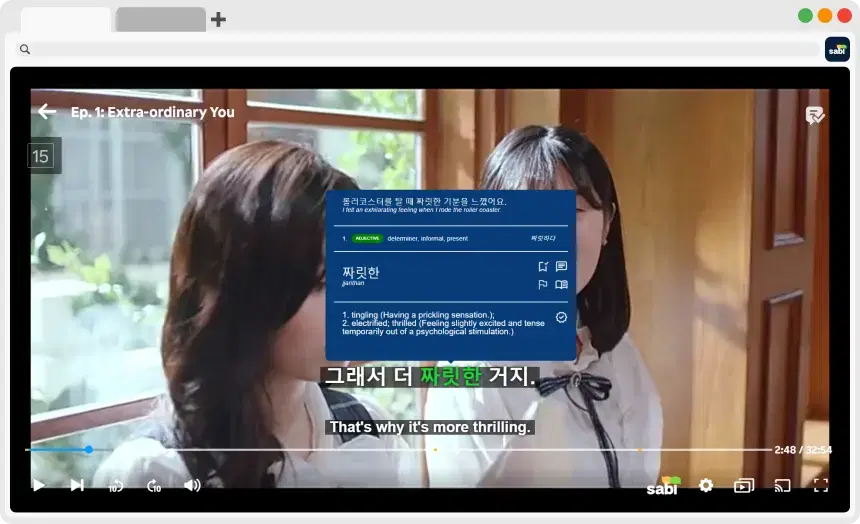
Sabi is a browser-based gamification tool that helps you learn a language when watching shows and videos on Netflix, YouTube, Disney+, Prime Video, and Rakuten Viki.
✨ Highlights:
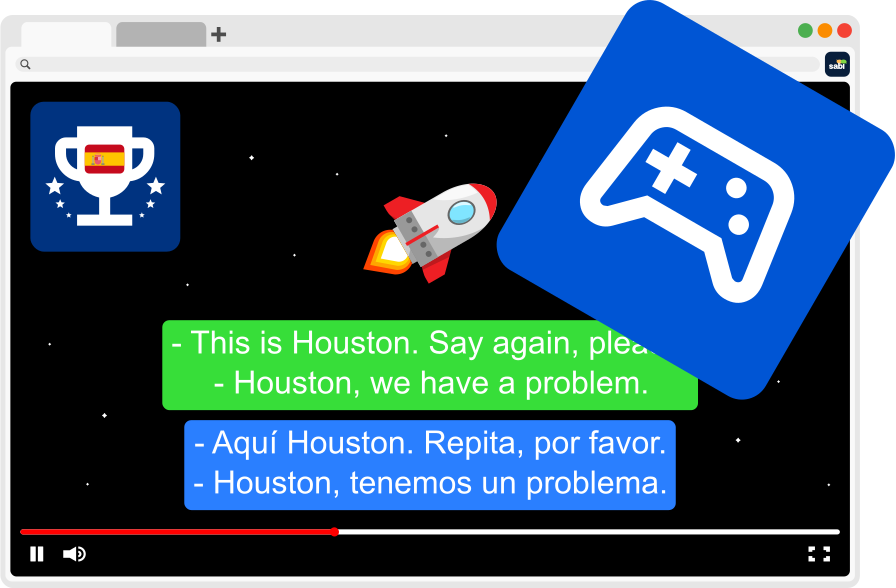
— Achievements System: Earn badges and progress milestones as you watch and learn, similar to in-game trophies
— Interactive Exercises: Get tested on what you understand while you're watching the show, such as multiple choice grammar questions or translating full sentences
— Dual Subtitles: Watch with both the audio and translation subtitles enabled
— Hover-Lookup: Instantly get translations, pronunciations, and grammar insights just by hovering over the subtitles
— Auto-Paused Subtitles: Follow along with what's being said and ensure you understand every last word
✅ The Good:
— Transforms streaming platforms into productive study tools
— Interactive exercises and achievements help retention
— Significantly cheaper than all major competitors
❌ The Bad:
— Only available for desktop
— Designed for immersion, not for teaching grammar from scratch
— Free trial available, but requires a low-cost subscription for unlimited use
2. LingQ
LingQ is a great choice for learners who enjoy reading and listening. It offers thousands of hours of authentic content (articles, podcasts, audiobooks) where you can click words and phrases to learn them.
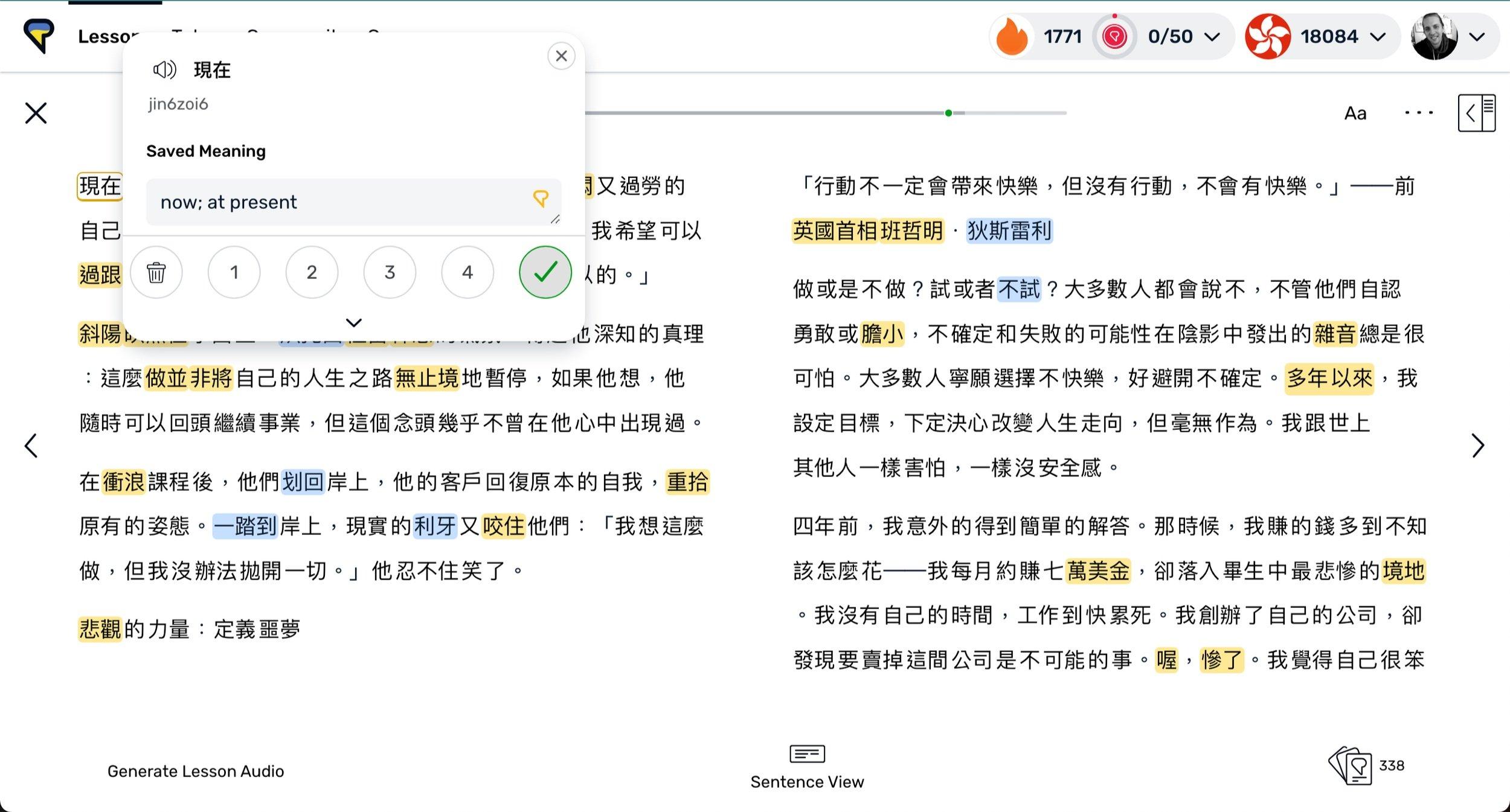
✨ Highlights:
— Personalized reading library with content recommendations
— Tracks known and unknown words
— Flashcard review system for long-term retention
✅ The Good:
— Large library of real content
— Vocabulary tracking and spaced review help retention
❌ The Bad:
— Limited free features and high subscription price
— Can feel overwhelming or unstructured without a clear learning roadmap
— Little interactive practice, with a focus on passive reading and listening
3. Clozemaster
For learners who want to improve their fluency, Clozemaster is designed to take you further with massive amounts of sentences that challenge your vocabulary and grammar in context.
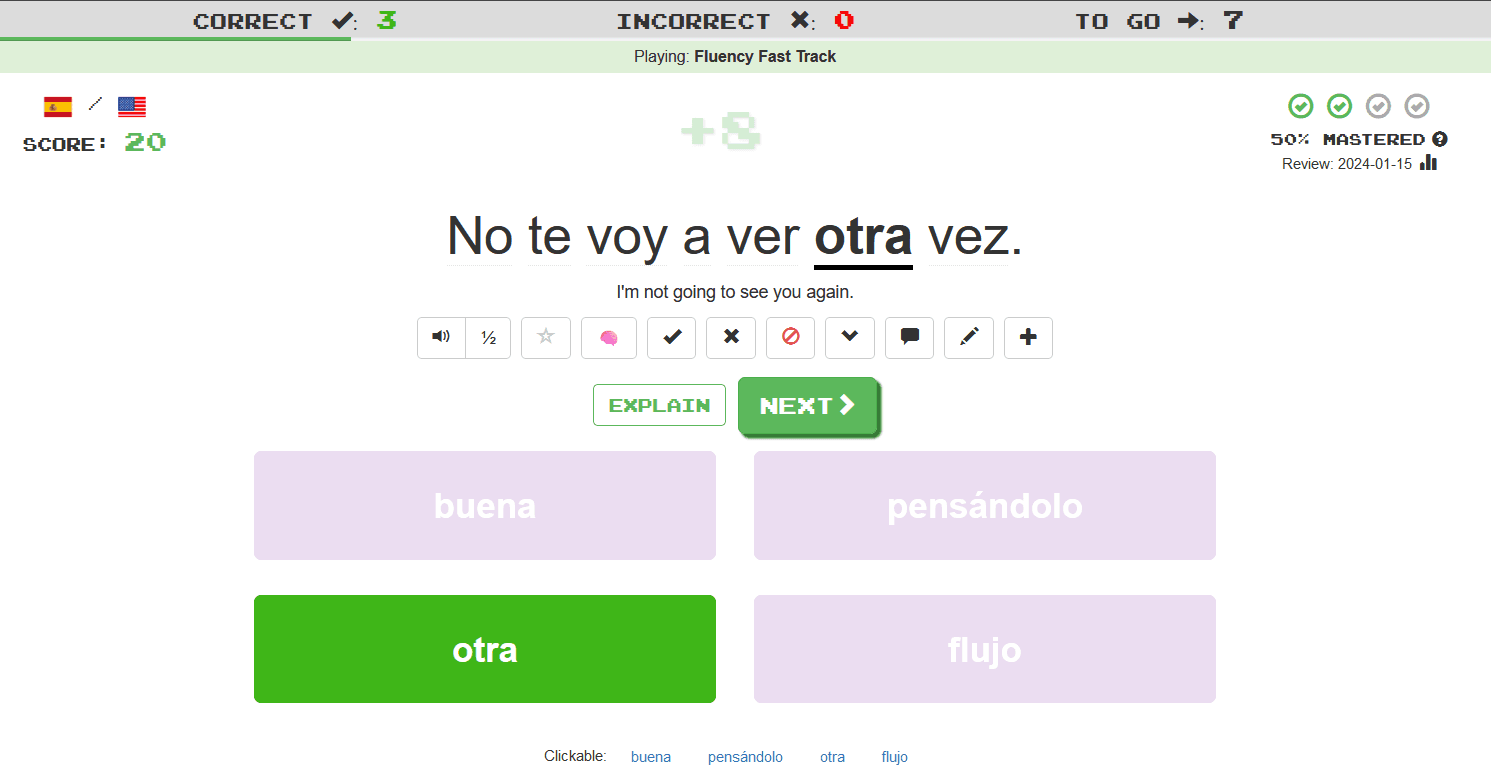
✨ Highlights:
— Sentence-based cloze tests (fill in the blank)
— Focus on real-world vocabulary, not just beginner words
— Gamified with points, levels, and streaks
✅ The Good:
— Sentence-based fill-in-the-blank drills build contextual vocabulary
— Good supplement for intermediate learners
❌ The Bad:
— Not beginner-friendly
— Clunky and awkward UI
— Some errors in sentences and cloze sets
4. Lingopie
Lingopie is a video-based language learning platform combining streaming shows and movies with interactive subtitles to make content a study tool.
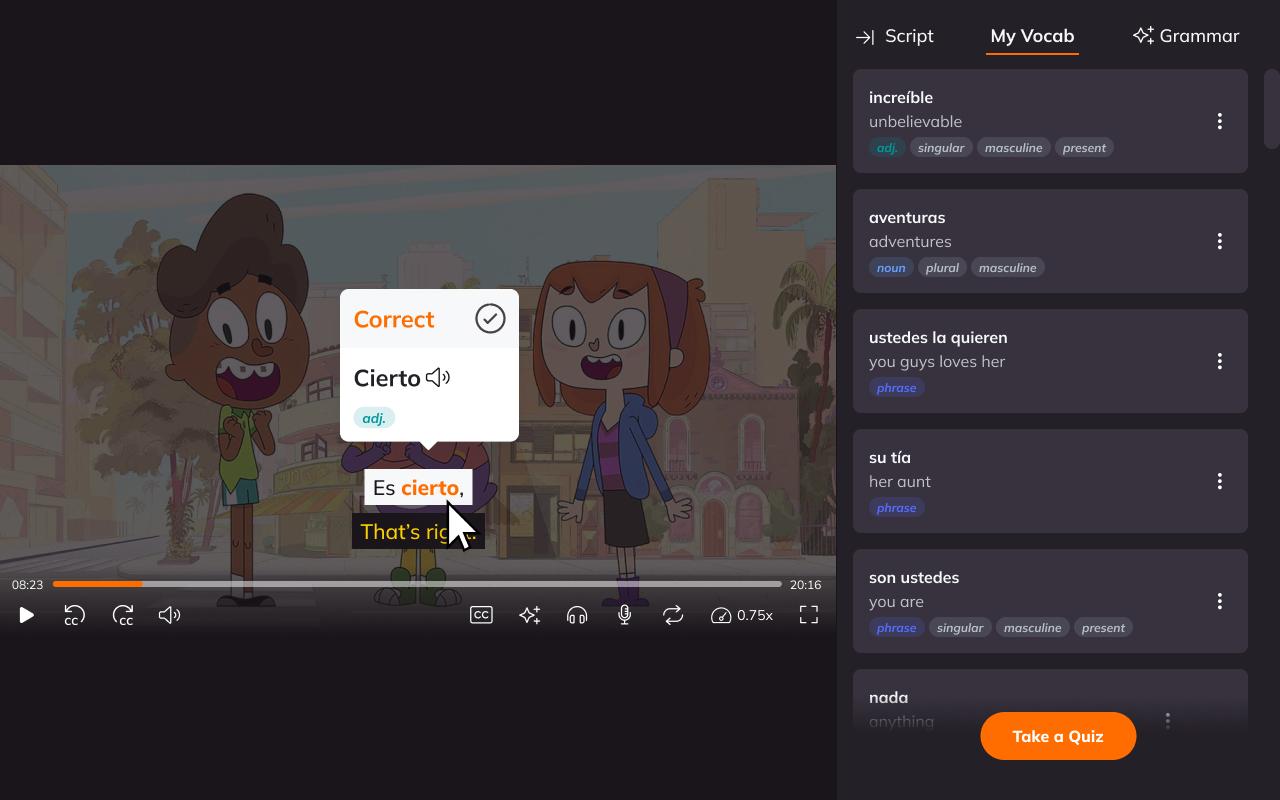
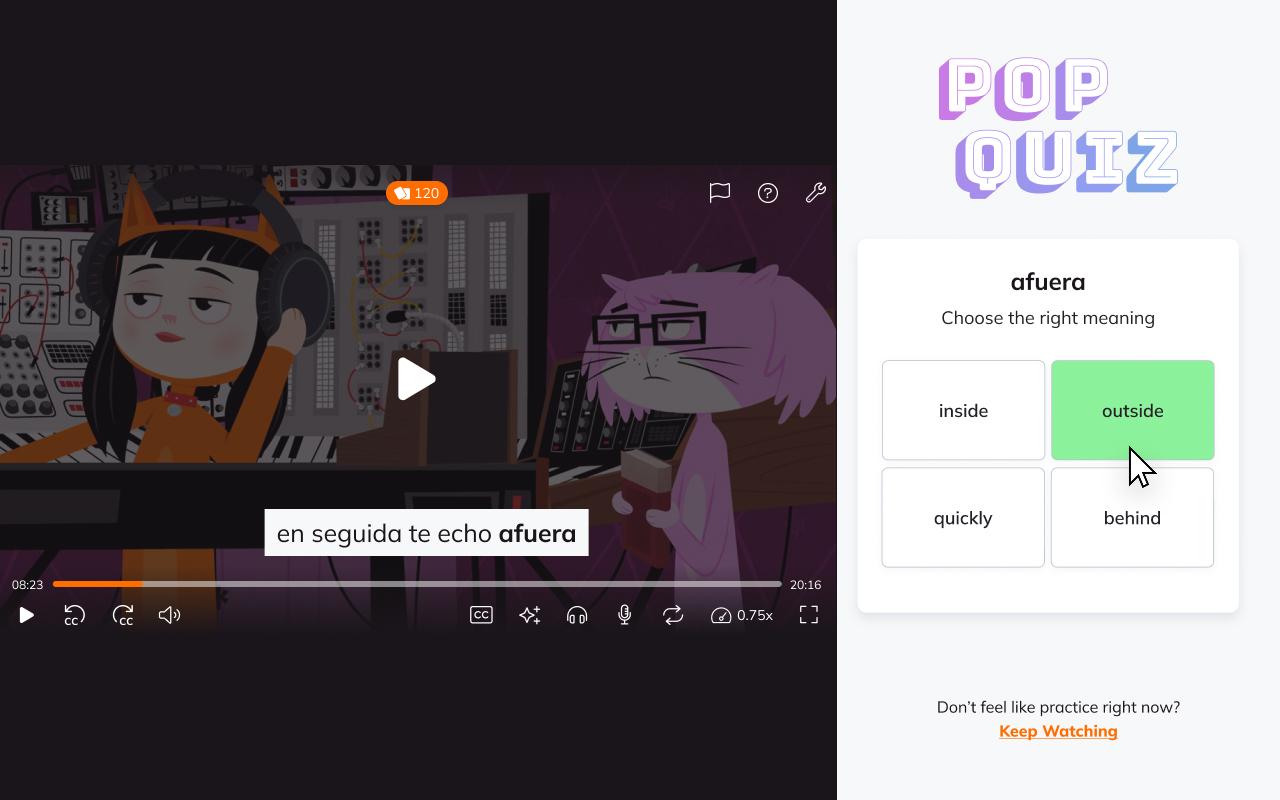
✨ Highlights:
— Real TV shows and movies in your target language
— Interactive subtitles and flashcards
— Ideal for listening and comprehension practice beyond structured lessons
✅ The Good:
— Interactive subtitles let you click for meanings
— Helps expose learners to authentic speech, slang, and accents
❌ The Bad:
— Not ideal for complete beginners
— Grammar information and explanations lacking
— Limited selection of shows and videos
Looking for More Browser-Based Tools?
While mobile apps and websites are great for learning on the go, sometimes you want to sit down at your computer for a serious study session. Browser extensions help with this by allowing you to turn any website into a powerful learning environment.
👉 See our list of the Best Chrome Extensions for Language Learning
The Verdict: Which Gamified App Wins?
The best app is the one that keeps you coming back every day. Remember that gamification isn't just a gimmick, but a scientifically proven way to build a habit that sticks.
For Structured Learning: Start with Duolingo. Its aggressive streak mechanics will force you to build a daily habit from day one.
For Vocabulary and Drills: Review with Memrise or Anki. The pre-made vocabulary decks make flashcard review fun and effective.
For Immersion: Once you have a foundation with basic vocabulary and grammar, switch to Sabi. It is the only tool that gamifies real native content on streaming platforms, bridging the gap between "studying" and "enjoying" a language.
Still not sure how to build your routine? Check out our guide on how to gamify language learning to learn the methods behind the madness.
❓ Frequently Asked Questions
What is gamified language learning?
Gamified language learning applies game mechanics, such as points, streaks, levels, and rewards, to language study in order to keep you motivated and coming back every day. The goal is to turn a long-term habit that's easy to abandon into something that feels rewarding in the moment.
Do gamified language apps actually work?
Yes, but with a caveat. Gamification is very effective at building the daily habit that fluency requires, and habit is the single biggest predictor of progress. However, most gamified apps plateau at an intermediate level, so the best results come from pairing an app like Duolingo with real native content through a tool like Sabi.
Is Duolingo the best gamified language app?
Duolingo has the most aggressive and polished gamification, which makes it the best choice for building an initial daily habit. It's weaker on grammar depth, speaking practice, and advanced material, where apps like Babbel and Busuu, or immersion tools like Sabi, do more.
What is the best free gamified language app?
Duolingo and Anki are the strongest free options: Duolingo for structured beginner lessons and Anki for gamified spaced-repetition vocabulary review. Both are genuinely usable without paying.